 Morphosis Ltd
 26 Jan 2015
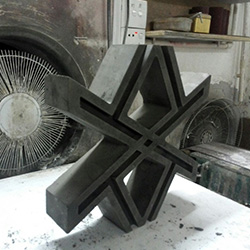
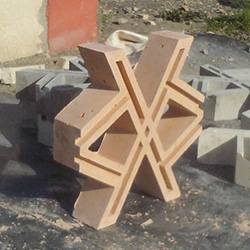
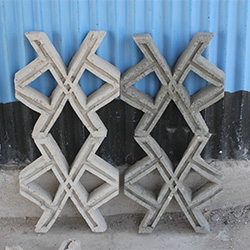
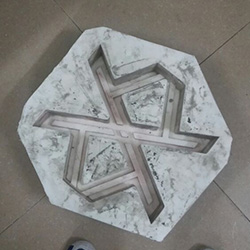
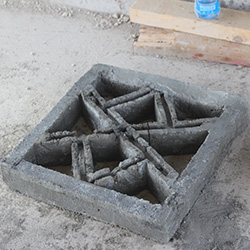
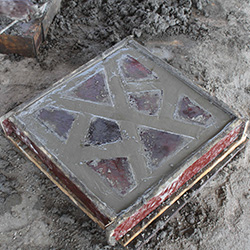
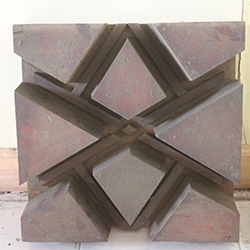
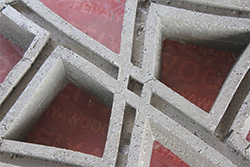
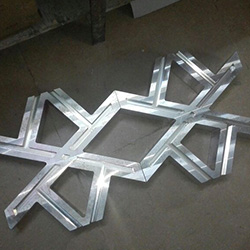
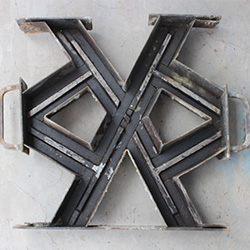
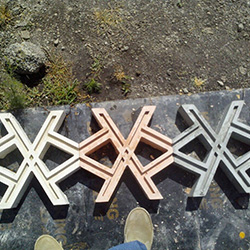
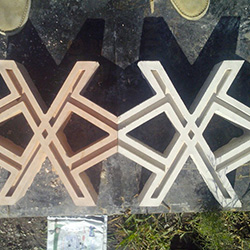
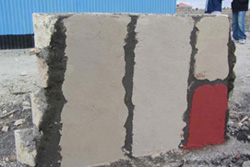
The hijab is an important garment in Islam as it acts as the veil that separates man or the world from God. It’s generally worn by women as a symbol of modesty, privacy and morality. This has been interpreted design wise in the university as mashrabiya that separate the different areas from the exterior. They also act as an environmental aspect regulating the amount of direct light getting into a space and in the process reducing the internal heat gain. First mashrabiya template made from timber. A mixture of white cement, sand and water was used to make the template. In order to reduce the maintenance costs of the building (painting, etc) chipped pieces of yellow stone were crushed and mixed to provide pigment the concrete. Cast mashrabiya samples as they would be assembled. The samples however weren’t performing well and they kept on cracking. This was mainly caused by not using an appropriate ratio of the materials used and the timber template was absorbing a lot of the water hence the samples were drying up too fast. A border was introduced to see if there would be a change but the problem persisted. The sample was also rejected due to the unappealing appearance of the border. The contractor decided to source for a silicon template from China as this wouldn’t absorb moisture and thus the concrete wouldn’t stick to it. Metallic samples were first created to and the silicon sample made from this. A metal sample was then created and it was immediately rejected as the welding was poor and the main design wasn’t followed. With the silicon sample, an almost perfect sample was achieved in line with the architect’s concepts.